Effortless Living, Technology You Don’t Notice

Step into a home where comfort feels natural and the tech disappears. Today we explore seamless smart home integration that hides in plain sight, blending sensors, automations, and design choices so every interaction feels effortless. Learn how to unify control, preserve aesthetics, strengthen reliability, protect privacy, and plan upgrades without visual clutter. By the end, you’ll know practical steps to make intelligence present everywhere, yet visible almost nowhere.

Design Principles for Invisible Technology

Subtle design starts with restraint. Hide sensors in shadow lines, match materials, and route cables before furniture decisions harden. Favor architectural lighting over flashy fixtures, conceal speakers, and use finishes that welcome touch. A friend’s loft revealed the magic: after relocating a single thermostat into a hallway niche, the entire living area suddenly felt calm, open, and more luxurious without buying anything new. Share your quiet wins.

Blend With Architecture, Not Against It
Treat technology like millwork, not gadgets. Align wall plates with sightlines, color-match sensors to trim, and recess hubs inside ventilated cabinets. When devices echo proportions already present in doors, beams, and reveals, they disappear to the eye. Start with a floor plan markup, then annotate cable paths, service clearances, and access panels. Comment with your toughest corner or alcove, and we’ll brainstorm a graceful disguise.

Calm Lighting as the Quiet Conductor

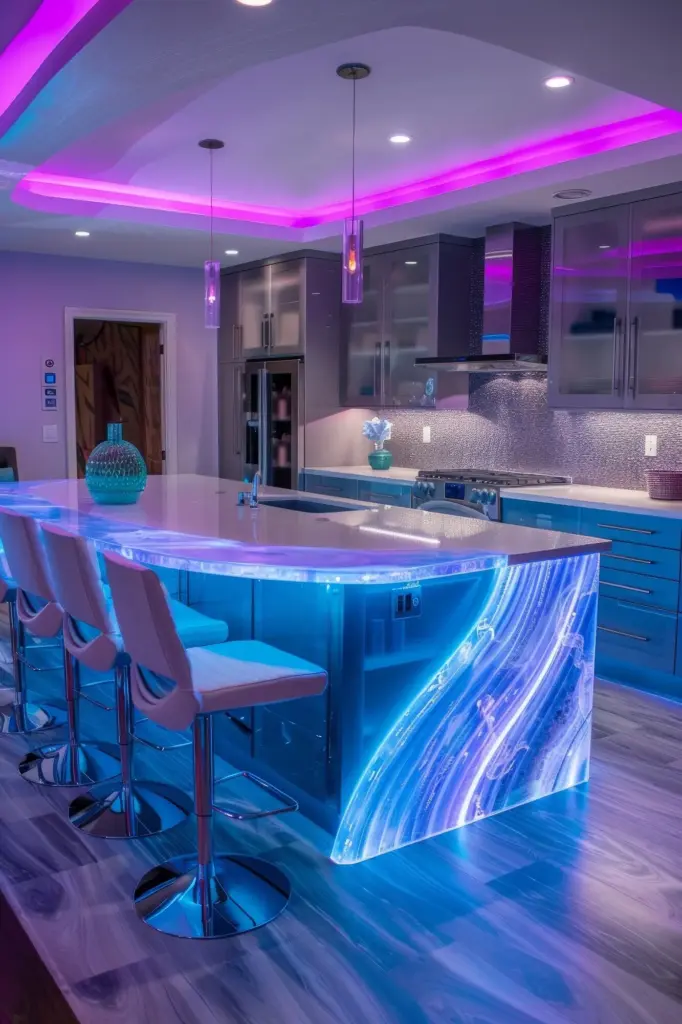
Layered lighting shapes mood without shouting. Use indirect coves, warm-dim bulbs, and motion cues that rise gently, never startling sleepy eyes. Tie daylight sensors to close drapes before glare appears, not after. A client’s kitchen stopped feeling clinical once under-cabinet strips warmed at dusk while pendants faded. Program scenes named for feelings, not rooms, so people select ambience naturally. Share your favorite calming scene names below.

Unified Control Without Visual Noise

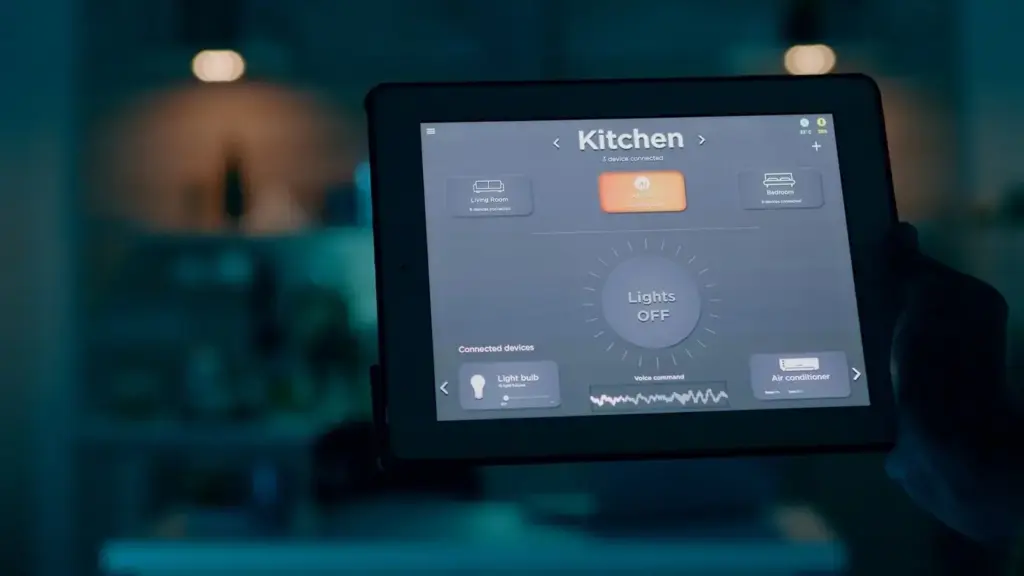
Consistency reduces cognitive load more than any spec sheet. Choose one primary app or dashboard, then allow context-aware surfaces to echo it: wrist, wall, voice, and presence. Map routines to daily rhythms so touch becomes optional. A neighbor’s household achieved peace when morning routines triggered lights, blinds, and coffee without screens. Keep manual overrides elegant and obvious for guests. Share which action you still want completely hands-free.

Network, Power, and Reliability Behind the Curtain

Disappearing interfaces only work when the backbone is rock solid. Plan Ethernet to fixed devices, mesh for mobility, and segregated networks for visitors. Hide access points in ceilings or furniture with proper ventilation. Battery choices matter; select chemistries and sleep profiles that last. A storm once cut power here, yet essential automations continued thanks to local hubs and mini UPS units. Tell us your reliability must-haves.

Local Processing Where It Matters

Run routines, presence detection, and sensitive camera analysis on local hubs whenever possible. This speeds responses and reduces exposure. Choose devices that operate even without accounts. Map which events leave your network and why. During testing, shifting door alerts to a local engine cut latency dramatically and felt reassuring. Add your example where moving logic on-prem changed both performance and peace of mind for everyone at home.

Permission Design and Household Consent

Agree on norms before automating intimate spaces. Bathroom vents and bedroom lighting should respect quiet hours and personal schedules. Provide pause modes for guests and teenagers who need extra privacy. A simple shared calendar flag prevented awkward lighting surprises during exams. Add unobtrusive indicators that show when microphones or cameras are sleeping. Tell us how you gather consent at home without ruining the effortless feeling you worked so hard to create.

Security Hygiene Without Daily Headaches

Automate the boring parts. Schedule backups, threat scans, and firmware updates for low-traffic hours, then notify with clear summaries. Use hardware keys for admin accounts and unique passwords per device group. One family cut risk massively by isolating cameras and doorbells. Keep a printed recovery sheet in a safe, and test twice a year. Share the cadence that keeps you protected without becoming a part-time system administrator.

Retrofit Strategies for Real Homes

Upgrades Without Dust and Drama

Leverage surface-mounted raceways painted to match walls, and swap chunky switches for slim relays hidden behind them. Use adhesive cable guides under shelves to route power invisibly. For renters, prioritize reversible changes. During a weekend project, we added occupancy sensing to a hallway using batteries and magnets only. It felt magical and left no marks behind. Share the quickest, cleanest upgrade you have ever completed successfully.

Using Existing Infrastructure Creatively

Old coax lines can carry Ethernet with inexpensive adapters, unlocking wired reliability for media cabinets. Telephone pairs can power low-voltage sensors. Even fireplace cavities sometimes hide perfect spots for hubs, provided heat is isolated. A condo owner achieved stable streaming by reusing a mysterious wall plate found near a bookcase. Post a comment describing the surprising cable or cavity you repurposed to keep everything tidy and nearly invisible.

Invisible Audio, Video, and Presence

Ceiling speakers vanish when grilles match paint, and sound feels like sunlight rather than a device. Short-throw projectors disappear into consoles yet deliver theater nights. Presence can come from door, power, and motion signals combined, avoiding cameras where unnecessary. In our studio, a hidden sub under a bench surprised visitors with warmth. Tell us your most convincing moment when guests felt magic without spotting hardware anywhere around.

Future-Proofing Without Constant Overhauls

Chase durability, not fads. Favor standards that interoperate, and add bridges only when necessary. Keep a small lab setup to test before deploying. Document everything so future you or a new resident understands decisions. A downtown remodel stayed serene through platform changes by isolating core wiring and keeping logic modular. Subscribe for deep dives on evolving standards, and share which upgrade path you trust over flashy announcements.

01

Standards, Bridges, and Agnostic Thinking

Adopt protocols with broad support and healthy governance, then design scenes that survive platform churn. Use bridges as translators, not crutches, and keep a list of what depends on each. During a vendor exit, one home remained calm because names, groups, and triggers matched across ecosystems. Comment with the standard that earned your loyalty, and the moment you decided compatibility mattered more than any single perfect device.

02

Modular Hardware with Graceful Swaps

Prefer interchangeable parts: standard junction boxes, rack-mountable hubs, and speakers with replaceable grilles. Keep spare cables and faceplates, and label both ends. When a bridge fails, swapping should feel like replacing a lightbulb. We once migrated an entire lighting layer during lunch because adapters were standardized. Share your proudest maintenance story where preparation turned a potential day of chaos into minutes of calm, successful replacement.

03

Document, Label, and Leave Breadcrumbs

Clarity ensures the magic continues when you travel, sell, or hand keys to a friend. Keep a living map of devices, names, automations, and passwords stored securely. Label circuit breakers, patch panels, and hidden enclosures. Leave onboarding QR codes in envelopes. A future resident will thank you, and your present self will troubleshoot faster. Tell us the documentation habit that saved you during a stressful outage or move.


Hanemazurufavofolanotu
Privacy Overview

This website uses cookies so that we can provide you with the best user experience possible. Cookie information is stored in your browser and performs functions such as recognising you when you return to our website and helping our team to understand which sections of the website you find most interesting and useful.