


Light That Whispers: Layering Illumination for Refined, Quiet Interiors

Step into architectural lighting layers for quiet, elevated interiors, where ambient, task, accent, decorative, and daylighting harmonize to reduce visual noise and heighten calm. We will translate technical decisions into sensory experiences, show how restraint creates depth, and offer stories, tactics, and scenes you can test tonight. Share your questions, subscribe for evolving playbooks, and join a community that believes silence in light is a craft worth practicing every single day.

Soft Ambient Foundations

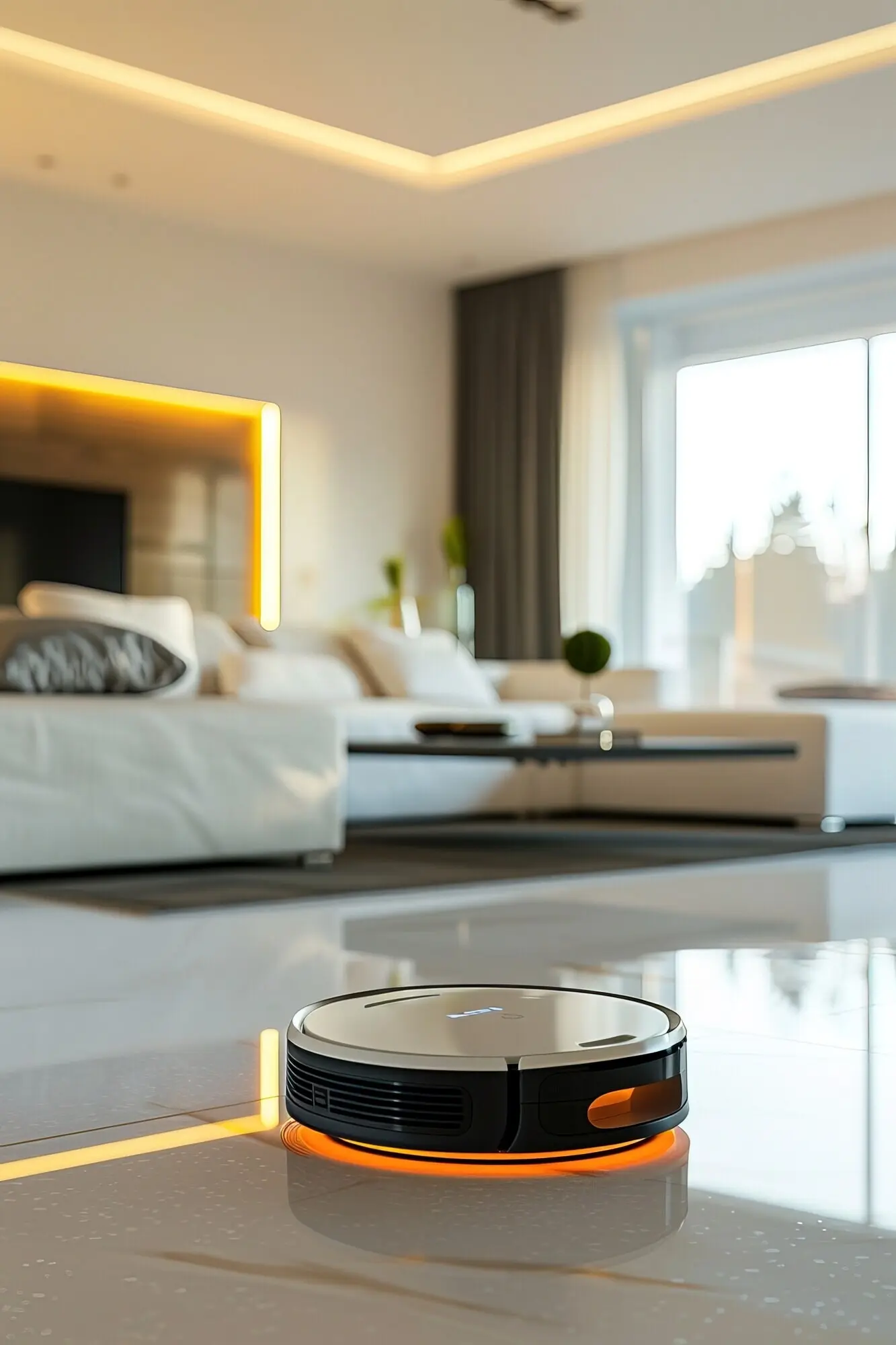
Ambient light should land like a gentle exhale, establishing a tranquil base that never flattens the room. Think concealed coves, broad wall-washing, and diffused reflections rather than naked brightness. Spread light across surfaces, not into eyes, and let ceilings read lighter than floors so gravity feels intuitive. When the base layer is calm, every other decision can be subtle, making modest accents feel meaningful and functional moments easy to read without strain.

Task Light Without Noise

Task illumination must deliver precision, yet remain visually humble. Choose tight beams or well-shielded optics placed exactly where hands move and eyes focus, avoiding spill that contaminates the ambient field. Calibrate intensity by task type and surface reflectance so comfort outlasts the longest session. If the light source disappears, its effect becomes effortless. You achieve true quiet when concentration feels natural, not hard-won, and the desk, counter, or page becomes the only luminous protagonist.

Composing Layers with Intent

Composition begins with sequence: establish a quiet ambient field, locate task light with surgical care, and add calibrated accents only where narrative benefits. Decorative and daylight join as character actors, never the whole story. Each layer must carry specific responsibilities while honoring the others’ boundaries. If one layer grows louder, reduce another to restore equilibrium. Think of the room as an orchestra at pianissimo, where the conductor is contrast, and every instrument serves emotional clarity.

Materiality, Color, and Visual Comfort

Materials translate light into feeling. Matte finishes soften reflections, micro-textures accept grazing without noise, and balanced palettes prevent hotspots. Color temperature influences mood and perceived luxury; too cool reads clinical, too warm may collapse contrast. High color rendering reveals natural fibers and stone veining with grace. Pair optics with finish reflectance to avoid overlighting. Aim for comfort first, then refinement. When light and matter collaborate, stillness gains richness, and quiet becomes a tangible, welcoming presence.

Reflectance and Palette Strategy

Start with a reflectance map of walls, ceilings, floors, and key joinery. Pale ceilings expand ambient light; mid-tone walls accept washes elegantly; darker timber requires thoughtful aiming and higher output. Avoid aggressive gloss where relaxation matters, keeping highlights controlled and legible. Introduce a few gentle luminance anchors so the eye can rest. With a predictable palette, you can reduce wattage, increase comfort, and achieve that unforced elegance where the material, not the fixture, does the talking.

CCT, CRI, and the Warm-Dim Advantage

Choose a base CCT that honors architecture and lifestyle—often 2700K–3000K for residential calm, with higher fidelity rendering for art and food. Warm-dim sources deepen intimacy at night without manual color tweaks, while tunable white can support routines from focus to restoration. Maintain consistency across layers to prevent chromatic discord. High CRI and R9 values safeguard skin tones and natural materials. When spectral quality is correct, brightness can remain lower, and interiors feel quietly sumptuous, never sterile.

Details That Disappear

Controls, Scenes, and Circadian Poise

Controls are choreography. Scenes translate values into feelings, adjusting intensity, color, and distribution with minimal effort. Morning should lift awareness without glare; afternoon maintains clarity; evening dissolves edges into calm. Layer-by-layer dimming preserves hierarchy while supporting wellness rhythms. Whether using simple dimmers or advanced protocols, the principle is the same: fewer buttons, meaningful scenes, and reliable fades. When controls honor habit, people use them joyfully, and interiors quietly adapt to life’s changing tempo.

From Plan to Reality: Process, Commissioning, and Care

Great drawings promise; commissioning delivers. Mockups reveal texture responses, beam choices, and potential glare spots before commitments harden. Night focusing aligns the room’s emotional arc with lived experience. Maintenance keeps luminance honest, as dust, aging, and material shifts subtly erode intent. Document scenes, label drivers, and schedule gentle checkups. When process respects the final sensory outcome, the finished space feels inevitable—quiet, poised, and ready to host everyday rituals with enduring, effortless grace.

Stories of Stillness: Three Spaces, Three Lessons

Nothing convinces like lived experience. These moments show how small choices alter atmosphere: a beam narrowed, a cove softened, a scene simplified. Each narrative underscores restraint, hierarchy, and human comfort over showmanship. Consider how the principles echo in your home, studio, or project. Share your own observations, ask for a second opinion, and subscribe to keep learning with peers who refine silence together, one dimmed percentage point at a time, across seasons and changing routines.

A Penthouse Living Room that Breathes at Dusk

We replaced a grid of bright downlights with a perimeter cove and two focused accents for art. The ceiling relaxed; the city glow became a partner, not a competitor. A warm-dim pendant transformed dinners into rituals. The client stopped using overheads entirely at night, preferring the quiet envelope and gentle verticals. The lesson: remove noise first. When the base is calm, the smallest highlight feels profound, and the skyline belongs to the room without struggle.

A Library Wrapped in Velvet Shadow

Shelves received concealed verticals with low output, reading chairs gained tight-beam task lights, and the ceiling stayed unbroken. The paper looked honest, timber glowed softly, and faces read naturally. We tuned a Night scene to barely-there pathways, guiding late returns without disrupting rest. No single fixture appeared memorable, yet the room invited hours of focus. The lesson: vertical illumination can be gentle and sufficient when carefully placed, allowing shadow to contour space with elegance.
A Spa Bathroom with Candle-Warm Rituals

Mirror-integrated verticals flattered skin, coves floated the ceiling, and a low-level toe-kick guided midnight steps. Warm-dim brought evening soaks into candle territory without flames, and early mornings lifted clarity without harshness. The control interface offered three scenes—Refresh, Restore, Night—nothing more. Maintenance instructions fit on a single page. The lesson: disciplined options beat complexity, and the right spectrum makes water, stone, and steam feel luxurious without spectacle, sustaining serenity through daily rhythms year after year.


Hanemazurufavofolanotu
Privacy Overview

This website uses cookies so that we can provide you with the best user experience possible. Cookie information is stored in your browser and performs functions such as recognising you when you return to our website and helping our team to understand which sections of the website you find most interesting and useful.